
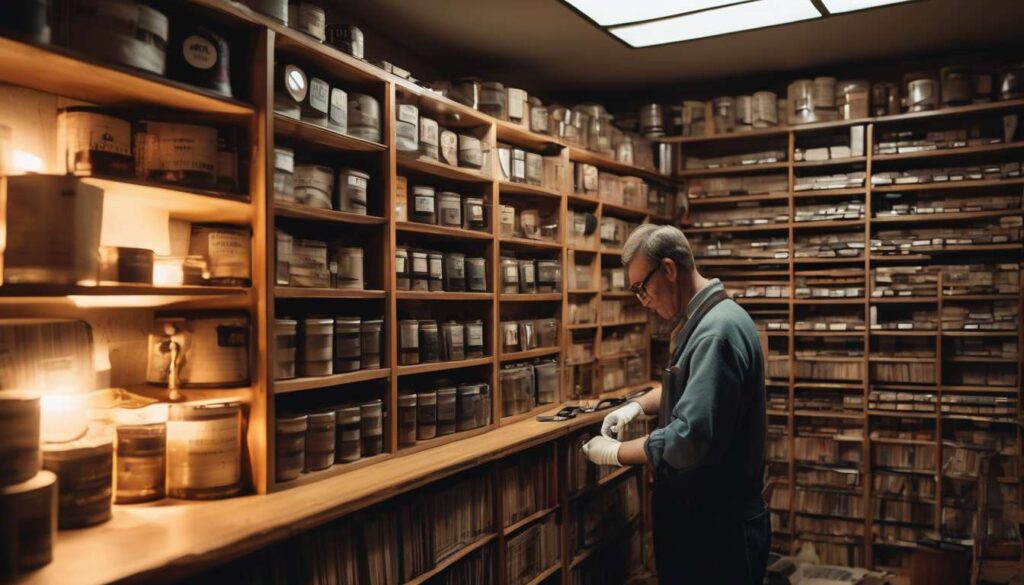
Every archive we enter reveals unexpected bridges between communities.
When we examine collections of adult video media, those bridges become strikingly clear.
These materials are not isolated cultural detritus but active repositories of social attitudes, technological shifts, and artistic experimentation.
As curators, researchers, and consumers, we confront how preservation choices influence who is remembered and how sexual expression is contextualized.
We trace the evolution of formats from VHS to digital streaming alongside changing legal frameworks and shifting norms around consent, labor, and representation.
We acknowledge the ethical complexities of cataloging intimate content and commit to practices that respect creators and subjects while enabling scholarly inquiry.
By situating adult video within broader cultural archives, we affirm its value for understanding gender, media history, and policy.
Together, we can develop stewardship models that balance access, accountability, and the historical imperative to preserve diverse facets of human expression.
Historical Context
We trace how adult video emerged alongside broader media and social changes, noting the legal, technological, and cultural shifts that shaped its production and reception.
We remember communities rallying to document material that mainstream institutions often ignored, and we recognize that building adult video archives was an act of care and community identity.
We frame preservation ethics as central: we insist that consent histories, creator rights, and the dignity of subjects guide what we keep and how we share it.
We commit to cataloging accessibility so researchers, educators, and community members can find context-rich records without gatekeeping.
We explain that collecting isn’t neutral; decisions about inclusion, description, and access shape collective memory and who feels welcome in the historical narrative.
We aim for transparent policies, participatory cataloging practices, and respectful outreach to creators and audiences.
By centering ethical stewardship and usable catalogs, we help ensure that these materials serve communal learning, accountability, and a sense of belonging for people who value this cultural history.
Formats and Preservation
We hold a range of physical and digital audiovisual formats.
- Film reels
- VHS tapes
- DVDs
- Digital video files
- Born-digital web captures
Each format faces specific risks and requires targeted care.
- Film: requires climate control and repair; vulnerable to shrinkage, vinegar syndrome, and physical damage.
- Magnetic tape (VHS, other tapes): suffers binder degradation, sticky-shed syndrome, and tape stretching.
- DVDs: can delaminate, suffer layer separation, and optical read failures.
- Digital files and web captures: risk bit rot, corrupted files, and obsolete codecs or container formats that prevent playback.
Our preservation ethics guide stewardship and respect for creators and subjects.
- We balance access with privacy and cultural sensitivity.
- We document provenance, condition, and any access restrictions.
- We prioritize cataloging and discoverability so researchers and community members can find materials safely.
Stabilization and immediate care steps are performed before preservation actions.
- Drying and gentle cleaning of physical media when needed.
- Secure, climate-controlled storage for format-appropriate environmental conditions.
- Repair and housing (reel cores, archival sleeves, spindles) to prevent further damage.
Digitization and technical preservation follow defined workflows.
- Create preservation masters using high-quality capture settings and appropriate hardware.
- Generate access derivatives for everyday use to minimize handling of originals.
- Use checksum-based integrity checks (e.g., SHA-256) at ingestion and regularly thereafter.
- Schedule migrations to current, supported file formats and codecs to prevent obsolescence.
Metadata, policies, and collaboration underpin long-term access and trust.
- Maintain clear, consistent metadata for provenance, rights, technical details, and condition.
- Share policies and provide staff/community training on handling, cataloging, and access.
- Collaborate with trusted repositories and networks for redundancy and shared expertise.
Our goal: ensure these cultural records remain usable, discoverable, and cared for by people who belong to and trust the archive.
Legal and Ethical Considerations
We must navigate complex legal frameworks and ethical obligations to protect creators, subjects, and users while enabling responsible access.
We balance copyright, consent, and privacy law when building adult video archives, recognizing that legal compliance alone doesn’t satisfy our moral duty.
We commit to preservation ethics that center dignity:
- Obtaining clear rights.
- Redacting sensitive metadata when needed.
- Honoring takedown requests promptly.
We’re deliberate about access policies that foster inclusion without exposing vulnerable individuals.
We design tiered access, authentication, and contextual restrictions so researchers and community members can connect with material safely.
We document provenance and consent records transparently, so people feel their histories are respected and traceable.
We collaborate with legal counsel, ethicists, and community representatives to revise practices as laws and norms evolve.
By embedding preservation ethics into governance and making cataloging accessibility a priority — from descriptive language to searchable controls — we create an archive culture where belonging and accountability coexist, and where stewardship responds to real human needs.
Cataloging Practices
We will develop clear, consistent cataloging practices that prioritize accurate metadata, culturally sensitive descriptions, and interoperable standards.
Goals:
- Support discovery, rights management, and responsible access.
- Ensure collections connect rather than silo.
We document items with standardized fields to make adult video archives searchable and accountable.
- Standard fields include:
- Title
- Date(s)
- Creator(s)
- Format(s)
- Provenance
- Rights statements
We balance transparency with privacy by applying preservation ethics to restrict sensitive identifiers and consent-dependent information.
- Practices include:
- Redacting or omitting direct identifiers when necessary
- Limiting access to consent-bound materials
- Using aggregated or descriptive labels rather than personal data when appropriate
We adopt controlled vocabularies and interoperable schemas to share records across institutions.
- Benefits:
- Easier cross-institution discovery
- Consistent subject access and classification
- Improved data exchange and reduced duplication of effort
We design user-centered interfaces and metadata displays that promote cataloging accessibility.
- Features should include:
- Multiple access points (e.g., title, creator, subject, date)
- Plain-language summaries for non-specialist users
- Clear, prominent access conditions and restrictions
We train staff and community contributors in consistent description practices, including how to record ambiguous or contested information.
- Training components:
- Use of controlled vocabularies and authority files
- Guidelines for documenting uncertainty or conflict in provenance or attribution
- Ethical handling of participant-contributed information
We maintain versioning and audit trails so changes are traceable, supporting preservation ethics and user trust.
- This includes:
- Recording who made changes and when
- Preserving prior descriptions and redaction decisions
- Providing a mechanism to request corrections or contextual notes
By coordinating these cataloging practices, we create inclusive, reliable records that welcome researchers, participants, and community members into stewardship of this cultural history.
Representation and Diversity
We’ll prioritize inclusive representation by actively documenting diverse performers, genres, identities, and cultural contexts so collections reflect the full complexity of adult video history.
We commit to building adult video archives that honor marginalized creators and viewers, ensuring people see themselves in the record.
We’ll center preservation ethics that respect consent, labor histories, and cultural specificity, avoiding exploitation in selection or display.
We’ll adopt cataloging accessibility standards that use inclusive terminology, multiple language options, and controlled vocabularies co-created with community members.
We’ll document metadata about production context, distribution, and performers’ self-identification when available, while safeguarding sensitive information.
We’ll balance completeness with care, applying access controls where ethical concerns demand them.
We’ll measure success by how welcome contributors feel, how easily researchers can discover diverse materials, and by transparent policies that explain curatorial choices.
In doing so, we’ll make archives spaces of dignity, representation, and reliable history for everyone who seeks connection within adult video culture.
Community Stewardship
We’ll partner with communities, performers, scholars, and advocates to collectively steward collections, share decision-making, and ensure stewardship reflects lived experience and local needs.
We build adult video archives as shared cultural resources, and we prioritize preservation ethics that respect dignity, context, and the voices of those represented.
We create governance structures that welcome lived-experience input, balancing professional archival standards with community priorities.
We document provenance, consent histories, and cultural context so materials aren’t stripped from their meaning.
We design cataloging and accessibility practices that let people find, understand, and connect with material without gatekeeping language or opaque metadata.
- Create inclusive metadata schemas that surface context and consent.
- Use non-stigmatizing language and community-reviewed subject headings.
- Provide multiple access pathways (descriptive, thematic, and lived-experience tags).
We train teams from within communities, offer participatory cataloging projects, and keep policies transparent so care decisions are accountable.
- Offer paid training and capacity-building for community members.
- Run participatory cataloging and oral-history documentation projects.
- Publish policy rationales, review timelines, and decision records.
We regularly revisit policies with community stewards to correct biases and fill gaps.
- Convene periodic review sessions with community representatives.
- Audit collections and metadata for bias and omissions.
- Implement corrective actions and report changes publicly.
We commit to sustainable stewardship that centers belonging, honors contributors, and preserves these records responsibly for present and future community use.
- Prioritize long-term preservation infrastructure and funding.
- Ensure contributor recognition and proper permissions management.
- Maintain accessible access policies aligned with community wishes.
Access and Consent
We’ll ensure access balances public research and community safety by centering consent, clear permissions, and multiple user pathways tailored to contributors’ wishes.
We create trust in adult video archives by inviting contributors into decision-making about who can view materials, for what purposes, and how long items remain accessible.
We document consent choices transparently, linking them to preservation ethics that prioritize dignity and autonomy over unfettered exposure.
We design cataloging and discovery so users with different needs and credentials can find materials without revealing sensitive identities.
We maintain tiered access to protect contributors while enabling scholarship:
- Open descriptions (metadata only) for general discovery.
- Restricted previews for vetted users or limited contexts.
- Secure researcher access under agreements and oversight.
We provide simple opt-out and amendment processes, recognizing that contributors’ circumstances and wishes may change over time.
We train staff in trauma-informed intake and confidentiality and routinely audit permissions to ensure consent is honored over time.
By embedding these practices, archives become welcoming, accountable spaces where contributors belong and their rights guide how history is preserved and shared.
Research and Scholarship
We will support rigorous, ethical research by granting scholars controlled access, enforcing consent-linked restrictions, and requiring protocols that protect contributors while enabling robust analysis.
We believe adult video archives are vital cultural resources, and we invite researchers who share our commitment to preservation ethics and respect for participants.
We will prioritize cataloging accessibility so that legitimate inquiries can locate materials without exposing sensitive metadata or identities.
We will develop clear application procedures, review boards, and training that center consent, harm reduction, and contextualization.
Researchers will work with archivists to create reproducible methods, citation standards, and anonymization techniques that honor both scholarly needs and personal dignity.
We will foster collaborative projects that include creators, performers, and community members, ensuring studies reflect lived experience and reduce extractive practices.
By building a welcoming, accountable research environment, we will expand knowledge about production histories, audience reception, and technological change while safeguarding people represented in the collections.
Our approach balances inquiry with care, making scholarship rigorous, inclusive, and ethically grounded.
How do cultural archives handle the emotional well-being of staff and volunteers who regularly view or curate explicit adult material?
We ask how institutions support staff exposed to explicit material.
Create clear policies.
- Establish written procedures that define exposure risks, reporting steps, confidentiality protections, and boundaries for handling explicit content.
- Communicate policies clearly during onboarding and refresh regularly.
Rotate duties and limit solo shifts.
- Implement regular rotation of assignments that involve exposure.
- Avoid prolonged or frequent solo shifts so staff don’t feel isolated.
Provide training, access to counseling, and regular debriefs.
- Offer specialized training on managing explicit material, emotional first aid, and resilience skills.
- Provide timely access to professional counseling and employee assistance programs.
- Hold structured, judgment-free debrief sessions where staff can speak and process experiences.
Encourage time off and normalize seeking help.
- Promote use of mental-health days and reasonable time off after particularly stressful incidents.
- Actively normalize and destigmatize help-seeking through leadership messaging and peer support.
Solicit feedback and adjust practices.
- Regularly collect staff input and monitor wellbeing indicators.
- Use feedback to refine policies, training, and support services so everyone feels supported, respected, and part of a caring team.
What measures do archives take to prevent their collections from being exploited for non-scholarly commercial gain or trafficking?
We recognize the risk of exploitation and implement strict controls.
Access controls and vetting:
- We require institutional credentials for researchers and partners.
- We restrict high-resolution copies.
- We monitor usage to detect misuse.
Legal and technical protections:
- We use legal agreements and licensing terms to define permitted use.
- We apply watermarking and takedown procedures to block commercial misuse or trafficking.
Staff training and enforcement:
- We train staff to spot red flags.
- We collaborate with law enforcement when needed.
Ongoing review:
- We regularly review and update policies to keep our community safe and respected.
How are oral histories and personal testimonies from performers collected, stored, and protected to balance historical value with personal privacy?
We gather oral histories with informed consent, clear purpose statements, and options for anonymity or delayed release.
We record interviews securely, store encrypted files, and limit access to vetted researchers under use agreements.
We regularly revisit consent, let contributors withdraw or add restrictions, and redact identifying details when requested.
We prioritize trauma-informed interviewing, community oversight, and transparent governance so participants feel respected, safe, and included in how their stories are used.
Conclusion
You’ve seen how adult video’s history matters: formats decay, rights and ethics matter, and diverse stories need careful cataloging.
You’ll engage with community stewards who balance access with consent, legal limits and scholarly aims.
By preserving materials thoughtfully, you help ensure research, representation and nuance survive beyond stigma.
Responsible archives let future scholars, creators and communities learn from this media’s cultural impact while protecting the people who made and appear in it.